
Quick answer: A glass-front cabinet works best when you choose what should remain visible before you buy it. Make a small display zone and keep everyday clutter elsewhere. Then check the exact cabinet's anchoring instructions, shelf limits and door clearance. A pretty photograph cannot answer those safety questions.
Start with the storage problem, not the trend
Apartment Therapy's discussion of kitchen trends for 2026 raises a useful concern: glass-front storage can look cluttered when ordinary daily items are always visible. That is one designer's view, not a rule that glass cabinets are wrong. A better question is whether you want a display or a place to hide things.
Put the items you would display together on an existing shelf. Remove duplicates, packaging and things you use too often to keep arranged. If the group still feels crowded, a larger glass cabinet may simply show more clutter. Closed storage may suit the job better.
Plan two kinds of storage
A visible zone can hold a few pieces you enjoy seeing. A hidden zone can hold cables, paperwork and mixed household supplies. You do not need to replace a cabinet to test that split. Try rearranging what you already own first.
Do not assume a glass door makes a cabinet airtight or suitable for wet shoes. Dry items before putting them away and follow the maker's intended use. Keep frequently used items within comfortable reach rather than balancing on a chair to preserve an arrangement.
Measure the open door, not only the footprint
Mark the cabinet footprint with removable tape after checking that the tape is safe for your floor. Allow for the door swing, handles, drawers and the route people actually walk. A cabinet that fits with its doors shut can still block a passage when someone uses it.
Check the delivery route too. Read the exact product dimensions and assembly instructions before buying. Do not infer glass thickness, shelf capacity or stability from an illustration. Keep heavy objects within the manufacturer's limits and distribution guidance.
Wall attachment is part of the plan
IKEA's HEMNES glass-door cabinet instructions require secure anchoring and suitable screws and plugs for the wall, with professional advice if you are unsure. That warning belongs to that product. Read the instructions for your own cabinet rather than borrowing another cabinet's fixing method.
If a rental does not permit the required attachment, do not treat an unanchored cabinet as a harmless temporary setup. Resolve permission and suitable installation before choosing the product, or choose storage whose requirements you can meet. A locked door does not replace anchoring.
Treat damaged glass as a stop sign
The HEMNES product page also warns that damaged edges or scratched glass can suddenly crack or break. If your cabinet glass is damaged, stop using the affected part and ask the manufacturer or a qualified repairer what to do. Do not sand an edge, drill the glass or improvise a replacement panel.
A useful decision today
Test one display shelf, measure the open-door space and find the exact installation instructions. Those checks tell you more than a trend label. The aim is storage that stays usable, not a cabinet you must constantly restyle.
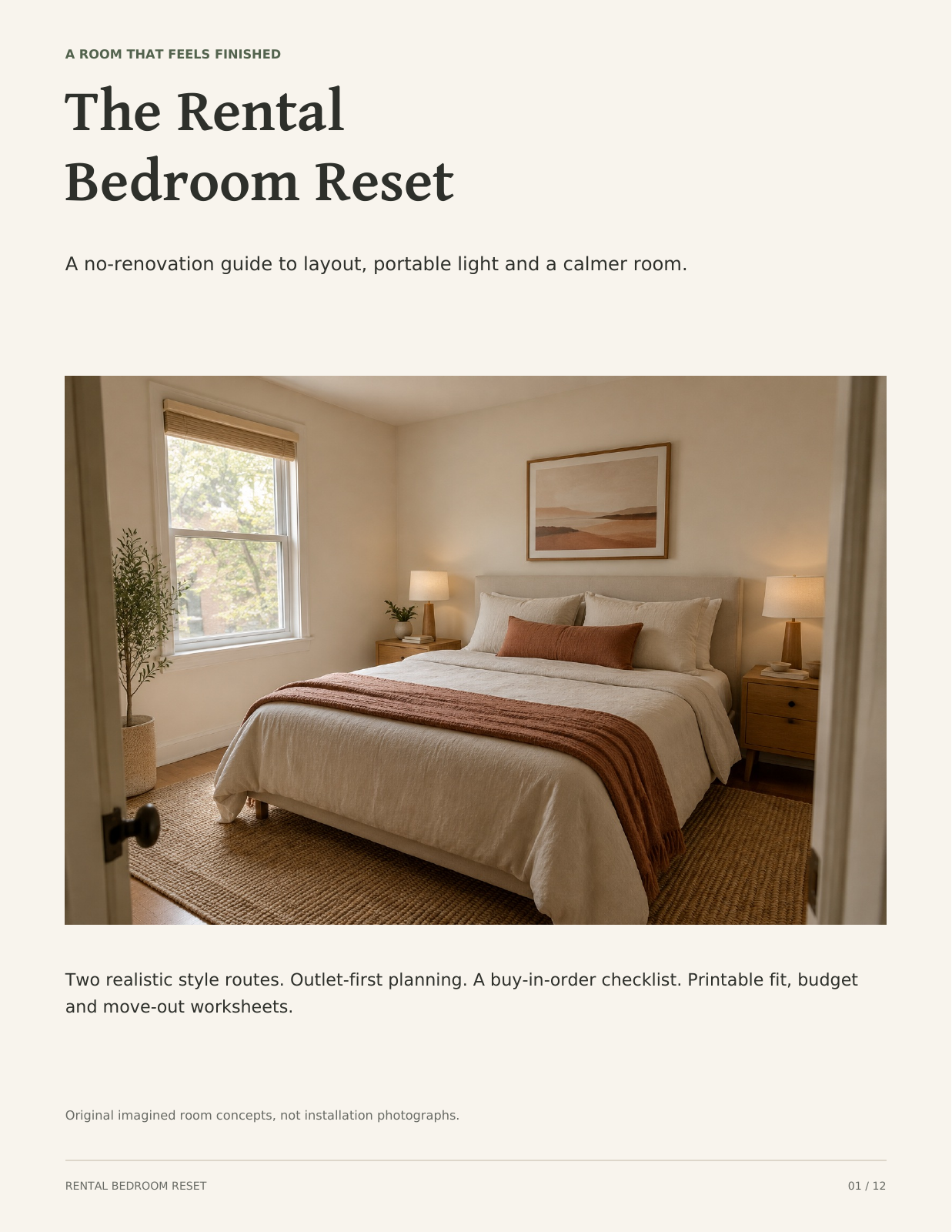
The image is an AI-generated room concept, not a product photograph or evidence of correct anchoring. Reading: https://www.apartmenttherapy.com/outdated-kitchen-trends-for-2026-37516882 Product-specific safety example: https://www.ikea.com/us/en/p/hemnes-glass-door-cabinet-with-3-drawers-gray-green-light-brown-stained-00596161/

Comments
Post a Comment